Building my own arbitrage bot with Claude AI was an exciting learning journey. At first, I only had a simple idea. I wanted a smart bot that could watch prices on different crypto exchanges and quickly find chances to make a profit. Doing this work manually takes a lot of time, and price differences can disappear in seconds. That is why I decided to use AI to help me create an automated arbitrage bot.
Claude AI made the process much easier because it helped me write code, fix errors, and improve the trading logic. Even though I am not an expert programmer, I was able to understand the steps with simple guidance.
Understanding the Idea of Arbitrage
Arbitrage means buying a coin or asset at a lower price on one exchange and selling it at a higher price on another exchange. The small difference in price becomes profit. For example, if Bitcoin is cheaper on one platform and slightly expensive on another, the bot can buy and sell quickly.
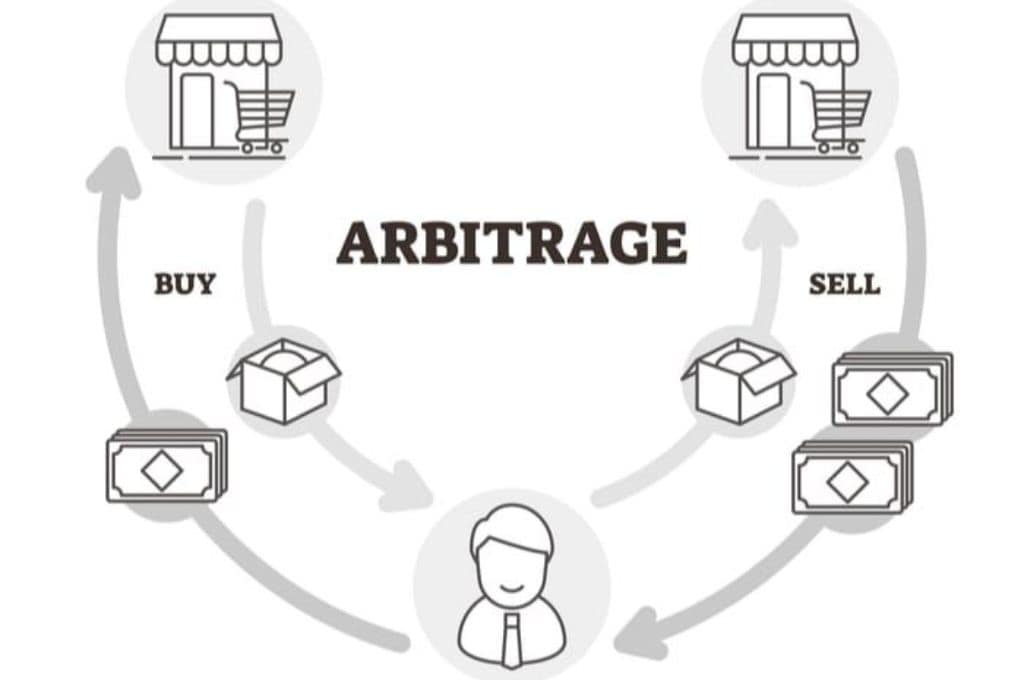
The main challenge is speed. Human traders may miss the opportunity, but a bot can act in just a few seconds. This is why bots are very useful in arbitrage trading.
How Claude AI Helped Me Build It
I started by asking Claude AI to help me create a simple Python script. The bot needed to connect with exchange APIs, collect live prices, and compare them. Claude AI generated the basic code structure in easy steps.
First, the bot checked the price of the same coin on two different exchanges. Then it calculated the price difference after adding trading fees. This part was very important because profit is only real after fees are removed.
Claude AI also helped me add safety checks. For example, it made the bot avoid trades when the price gap was too small. This reduced the risk of losses. It also suggested adding a stop-loss system and balance check before placing any order.
Deploying the Bot
After the coding part was ready, the next step was deployment. I wanted the bot to run all day without stopping, so I used a cloud server. A VPS server was a good choice because it keeps the bot online 24/7.
Claude AI guided me on how to install Python, required libraries, and API keys on the server. I uploaded the bot files and tested everything carefully. At first, there were small issues like wrong API responses and slow execution, but with Claude AI’s help, I fixed them one by one.
Once the errors were solved, the bot started running smoothly. Watching it scan prices in real time felt amazing.

What I Learned from the Journey
This project taught me that AI can make difficult tasks much easier. Claude AI worked like a coding assistant and saved me many hours of confusion. I learned how APIs work, how trading logic is built, and why risk management is important.
The most important lesson was that a bot is not a magic machine for instant money. It still needs testing, monitoring, and smart rules. Market prices change very fast, and trading fees can affect profits.
Conclusion
Building my own arbitrage bot with Claude AI was a great experience. It improved my coding skills and helped me understand automated trading in a simple way. For beginners, this is a great project to learn both AI and crypto trading together. With patience and careful testing, anyone can create a useful bot and keep improving it over time.