What Self-Discipline Actually Looks Like Today
Self-discipline isn’t about being a robot or never having fun. It’s choosing what matters most even when something shinier is one tap away. It’s closing Twitter when you said you’d work for 90 minutes, or putting the phone face down during dinner with family.
In our always-on world, discipline feels like freedom because it gives you back control. Without it, algorithms decide your day. With it, you decide.
Why It’s Harder (and More Important) Now
The average person picks up their phone 150–200 times a day. Every swipe feeds dopamine, trains your brain for instant gratification, and makes boring-but-important tasks feel unbearable. Social media, short-form videos, endless notifications—they’re literally designed to hijack attention.
That’s the battlefield in 2026. The power of self-discipline in a digital world is what lets you say, “Not right now,” and actually mean it. It protects your focus, your time, and honestly, your peace.
Discipline = Real Productivity
Productivity hacks come and go, but discipline is the foundation. When you can resist the urge to check messages every 10 minutes, you finish reports faster, write better, learn new skills deeper. Deep work—those long, uninterrupted stretches—becomes possible again.
People who master this aren’t necessarily working more hours; they’re just wasting fewer of them. That single skill compounds: better output → better results → more confidence → even stronger discipline.
Building a Healthier Relationship with Tech
You don’t have to throw your phone out the window. Discipline means using tech intentionally.
A few practical moves that actually work in 2026:
- Turn off all non-essential notifications (keep only calls, important messages, calendar alerts).
- Use grayscale mode—makes scrolling way less addictive.
- Set app limits or “focus modes” that actually lock you out after a set time.
- Create phone-free zones: bedroom after 9 PM, dining table, first 30 minutes after waking.
- Schedule “scroll time” like any other appointment so it doesn’t bleed into everything else.
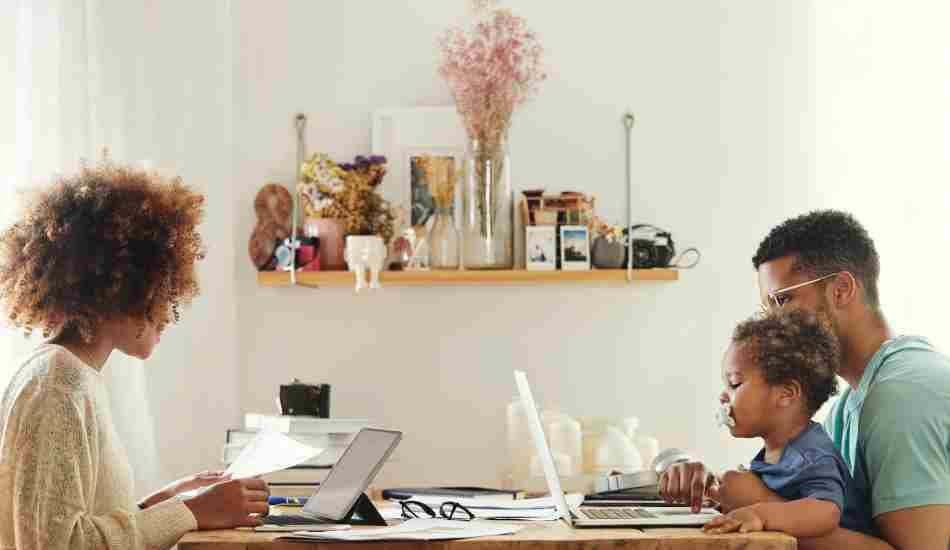
These aren’t restrictions—they’re guardrails that make digital life feel lighter.
Protecting Your Mental Health
Endless stimulation quietly drains you. Comparison, FOMO, outrage cycles—they build stress you don’t even notice until you’re burned out.
Self-discipline creates space: space to breathe, to journal, to sit with your own thoughts, to talk to real people face-to-face. It’s one of the kindest things you can do for your mind right now.
Small, Doable Ways to Get Stronger
You don’t build discipline overnight. Start tiny:
- Pick one goal for the day and protect it fiercely.
- Use the “5-minute rule”: commit to just 5 minutes of focused work—most times you’ll keep going.
- Do a daily “digital sunset”—no screens 60–90 minutes before bed.
- Track wins: note every time you chose discipline over distraction. Seeing progress fuels more.
- Forgive slip-ups quickly and get back on track—no guilt marathons.
Consistency beats intensity every time.
Final Thought
In 2026, the people who thrive aren’t the ones with the most willpower—they’re the ones who’ve built quiet, steady self-discipline into their days. The power of self-discipline in a digital world isn’t about fighting technology; it’s about mastering yourself so technology can serve you instead of running the show.